

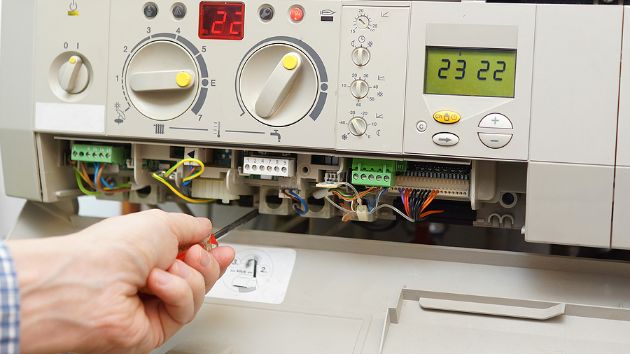
If your furnace quits on a cold desert night, especially during a surprise Las Vegas, NV, cold snap, having no heat can quickly become a stressful situation. With temperatures dipping drastically in the desert, having a reliable heating solution is crucial. The good news is that many furnace problems start with simple issues you can check yourself. Understanding the basics can help you restore heat quickly—or know when it’s time to call a certified HVAC technician.
Why Furnaces Stop: Common Issues Explained
If your furnace stopped working, it’s often due to several typical issues that can be checked with a bit of troubleshooting. Some of the common reasons may require simple solutions, while others could require emergency heating repairs or professional intervention. In most cases, a furnace stops working because of one of the following issues:
- No Power: Always check that your furnace has power. A tripped circuit breaker or an off switch can make it seem like the furnace is broken.
- Thermostat Issues: Ensure your thermostat is set correctly and functioning. If it’s stuck or has low batteries, it might not signal the furnace to turn on.
- Blowing Cold Air: This can happen if the pilot light is out or if there’s a problem with the gas supply.
- Filter Blockages: Dirty air filters can restrict airflow, causing the furnace to overheat and shut off.
- Faulty Or Dirty Flame Sensor: If the sensor can’t detect a flame, the furnace will shut down to prevent gas from building up.
- Short Cycling: If the furnace repeatedly turns on and off within minutes, it may be overheating or struggling to detect a proper flame.
Troubleshooting Your Furnace
Before calling for professional help after your furnace quits working, there are a few basic troubleshooting steps you can take. This may help identify the issue and potentially resolve it without needing furnace repair. By running through these simple checks, you can rule out easy fixes before moving on to more advanced problems.
- Check The Thermostat: Make sure it’s set to “heat” and the temperature is set above the current room temperature. Replace batteries if necessary.
- Inspect The Furnace Power Supply: Look for the furnace switch, usually near the unit. Ensure it’s turned on and check the circuit breaker.
- Examine The Air Filter: A clean filter is crucial. If it is dirty, replace it to ensure proper airflow.
- Check The Gas Supply: Ensure the gas valve to the furnace is open. If the pilot light is out, relight it you’re comfortable doing so, or call a HVAC professional.
When To Call For Emergency Heating Repairs
Sometimes, despite your best DIY efforts, the furnace won’t turn on. In these situations, knowing when to call in the experts can save time and avoid further damage.
- Persistent Cold Air: If your furnace continuously blows cold air despite your troubleshooting, it may be a more complex internal issue.
- Unusual Noises: Banging, clanking, or screeching noises can signal a mechanical problem.
- Furnace Won’t Stay On: If it starts but then shuts off quickly, you may have a problem with the ignition or sensor.
- Carbon Monoxide Leaks: A cracked heat exchanger can cause deadly gas leaks. Install detectors, and if they alarm, evacuate immediately and call professionals.
Preventive Maintenance: Keeping Your Furnace In Top Condition
The best way to avoid a heating crisis during a cold snap is through regular furnace maintenance. Routine check-ups can prevent the most common failures and catch any issues before they start. During a maintenance visit, a technician will check critical parts such as the flame sensor, ignition system, blower motor, and heat exchanger. Keeping these components in good condition helps your furnace operate safely and efficiently.
- Schedule Annual Inspections: A yearly tune-up can catch potential problems early.
- Replace Filters Regularly: A clean filter improves efficiency and prolongs the life of your unit.
- Keep Vents Open and Clean: Ensure nothing blocks vents and clean them periodically to support unrestricted airflow.
- Inspect Ductwork: Ensure ducts are properly sealed and insulated.
Safety Precautions: Ensuring A Safe Heating Environment
For your safety, always take furnace issues seriously—especially if you smell gas, notice burning odors, or suspect a carbon monoxide problem. Heating systems involve gas and electrical components, so complex repairs should only be handled by a certified HVAC professional.
Find Reliable Home Heating Solutions In Las Vegas
If your furnace quits or won’t turn on during a chilly night in Las Vegas, don’t be left in the cold. Trust our team at Simply Cooling, Heating & Plumbing to deliver expert HVAC solutions tailored for unpredictable desert conditions. Whether you need emergency repairs or a new installation, our professionals are ready to assist anytime. Contact us today to ensure your home stays warm and comfortable all winter.