

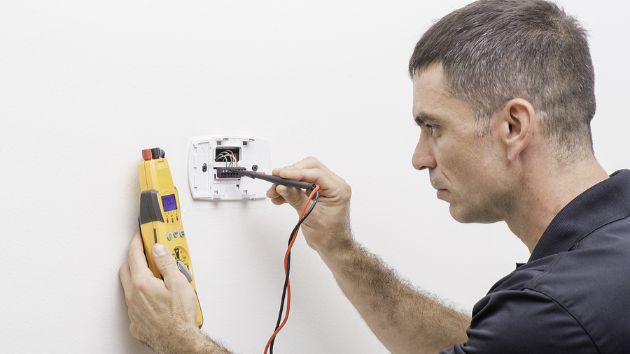
An efficient air conditioning system can be a lifesaver, especially if you live in a hot climate. However, your comfort can be abruptly interrupted when your air conditioner displays error messages or an unfamiliar code. Understanding these AC error codes and determining which ones require immediate attention can save you time, discomfort, and potentially high repair costs.
Understanding AC Error Codes
Modern AC units often feature a digital display that can communicate various issues through error codes. Depending on your system, error codes may appear on your thermostat screen, digital control panel, or as flashing light patterns on the indoor or outdoor unit. Many models without a display use a blinking LED to signal problems. Different numbers or speeds of flashes correspond to specific faults listed in the unit’s manual.
Common AC Issues & Error Codes
Though they can vary by manufacturer and model, some common issues are universal across many systems. Knowing these can help you decide on your next steps when faced with an AC issue. Reading your air conditioner’s manufacturer manual can help you decode what the error code or thermostat message means for your specific unit.
- E1 Or E2: Indicates a sensor issue, often related to a temperature sensor that helps regulate cooling.
- P1: Points to a problem with the drainage system, which can lead to water leakage.
- E5: Linked to a voltage or current issue that might stem from electrical problems in your home.
- F0: Signals a refrigerant overcharge, which can be dangerous and reduce efficiency.
- F1: Can indicate a fan motor issue, especially in mini-split ACs.
When Is It A Real Emergency?
Not every AC code signals an emergency. However, some errors can indicate that immediate action is necessary to prevent further damage or to ensure safety. When in doubt, turn off your air conditioner and call a licensed HVAC technician. Continuing to operate a unit with active fault codes can worsen the problem. Here’s how to recognize a true AC emergency.
- Electrical Issues: If your AC shows a code related to electrical faults (such as E5), it’s crucial to seek urgent professional help to avoid potential electrical hazards.
- Compressor Problems: Any code that suggests issues with the compressor, a critical component of the AC system, should be addressed immediately to prevent further damage.
- Water Leakage: Codes indicating drainage problems might seem minor, but they can lead to water damage. Addressing these promptly can prevent expensive repairs in the future.
- Refrigerant Leaks: Leaks indicated by certain codes need urgent attention, as refrigerants can be hazardous to health and the environment.
The Importance Of Decoding AC Codes
Decoding error codes isn’t just for detecting urgent problems with your air conditioning unit; it’s also essential for regular maintenance. By understanding what each code means, you can often catch small issues before they evolve into larger, costlier problems. Here’s why decoding is beneficial:
- Early Detection: Spotting issues early can prevent lengthy downtimes and potentially expensive repairs.
- Enhanced Efficiency: A properly functioning AC system is more energy-efficient, leading to lower utility bills in the long run.
- Safety Assurance: Understanding error codes that affect safety ensures your home isn’t at risk due to the AC malfunctioning.
AC Error Code Troubleshooting (When It’s Not an Emergency)
If your air conditioning system is displaying an error code but isn’t causing an immediate impact on comfort or safety, it’s important you address it. Even after you’ve checked and addressed minor issues, continue to monitor your AC’s performance. If the error code returns after troubleshooting or if you notice inconsistent cooling, contact an HVAC professional to fix the issue.
- Reset the System: Turn off the breaker to your AC unit for a few minutes, then switch it back on. This can often clear non-critical error codes.
- Inspect The Filters: Clogged or dirty filters can lead to inadequate airflow, causing the system to issue a warning code. Clean or replace them as needed.
- Check Thermostat Settings: Ensure that the thermostat is set correctly and functioning.
- Examine Outdoor Unit: Clear any debris from around the outdoor condenser unit, as obstructions can trigger error alerts.
Emergency AC Repair Services In Las Vegas
If you’re wondering what does the AC code error mean, you can contact a professional HVAC service. Here are qualities to look for when selecting an emergency air conditioner repair service:
- Experience: Look for technicians with industry certification and extensive experience handling a variety of systems.
- Availability: Emergency services should be available 24/7, as AC issues don’t always occur during business hours.
- Responsive Customer Service: Fast and friendly service can make a tough situation more manageable.
- Transparent Pricing: Ensure there are no hidden fees, and you understand all aspects of the cost before repairs begin.
Fast Emergency AC Repair In Las Vegas
When you’re overwhelmed by error codes, Simply Cooling, Heating & Plumbing in Las Vegas is here to help. Whether it’s a minor glitch or a major repair, our team offers swift, professional service that prioritizes your comfort and safety. Don’t let AC issues disrupt your day. Contact us now for reliable help at competitive prices.